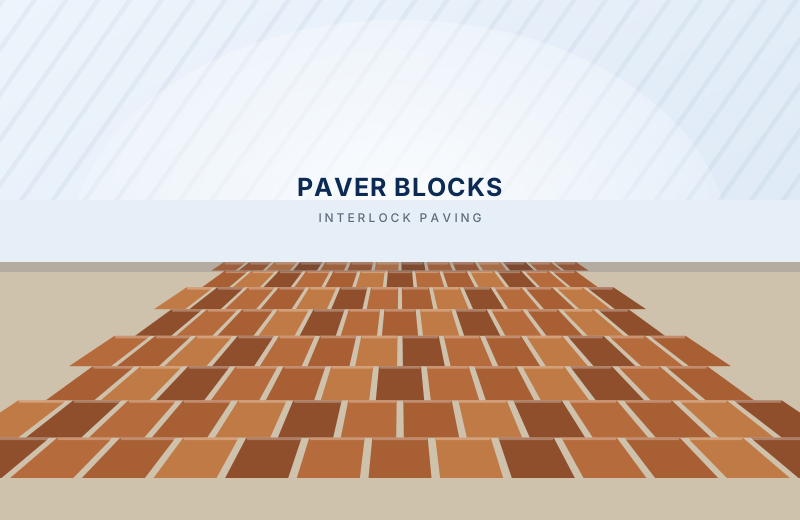
Interlocking pavers work because of geometry rather than mortar. Each block transfers load sideways into its neighbours through the sand-filled joints, so the surface behaves as a flexible pavement that spreads wheel loads and tolerates minor settlement without cracking.
They can be lifted and relaid for services and replaced individually if damaged, which over the life of a driveway or yard usually makes them cheaper than a concrete slab, not more expensive.
Supplied to contractors and builders, or supplied and applied by our own teams with a written warranty.
| Types | Rectangular, zigzag, I-shape, hexagonal, cobble and grass pavers |
|---|---|
| Thickness | 60 mm (light), 80 mm (medium), 100 mm (heavy duty) |
| Compressive strength | Typically 35 – 50 MPa |
| Water absorption | Generally below 6 % |
| Bedding layer | 30 – 40 mm coarse sharp sand |
| Joint filling | Fine dry sand, vibrated in |
| Colours | Grey, red, black, yellow, terracotta and blends |
Typical values for guidance. Actual figures vary by grade and manufacturer. The data sheet for the exact product supplied on your project is provided with delivery.
Supplied on pallets by square metre. Kerb stones, edge restraints and bedding sand available.
The sequence our teams follow, and the sequence we recommend to contractors buying the material from us.
Excavate to the design level and compact the subgrade thoroughly.
Lay and compact crushed stone sub-base to the thickness required for the expected traffic.
Fix kerbs or edge restraints first. Without them the pavement spreads and the interlock is lost.
Screed the sand bedding layer and lay blocks to the chosen pattern, keeping joints tight and lines straight.
Vibrate with a plate compactor, brush fine sand into the joints and re-vibrate until joints are full.
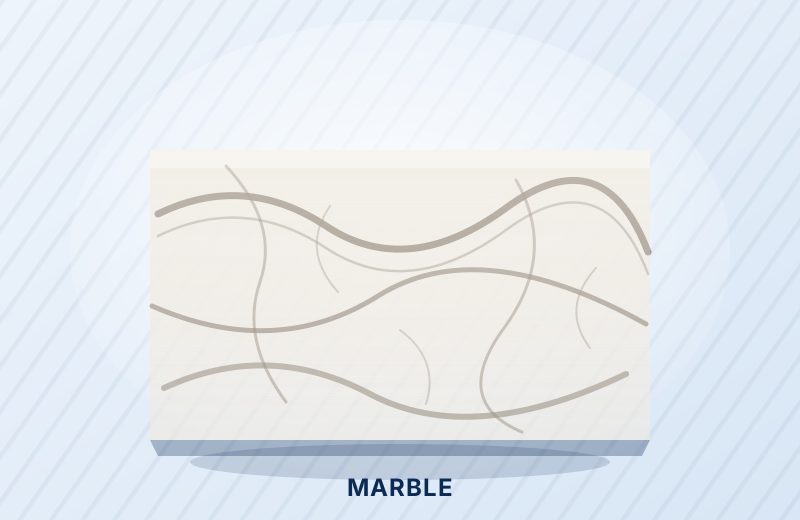
Local and imported marble for flooring, staircases, cladding, vanities and counter tops, including fixing and polishing.
View Details →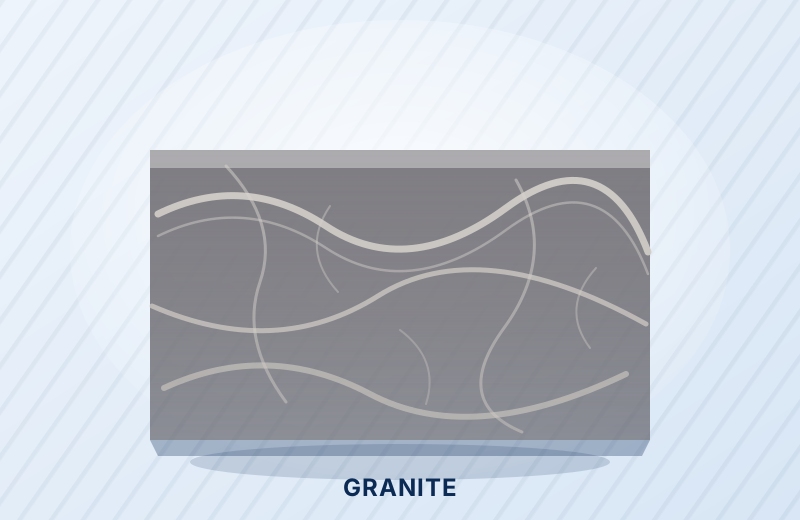
Local and imported granite for kitchen counters, high-traffic flooring, staircases, facades and building entrances.
View Details →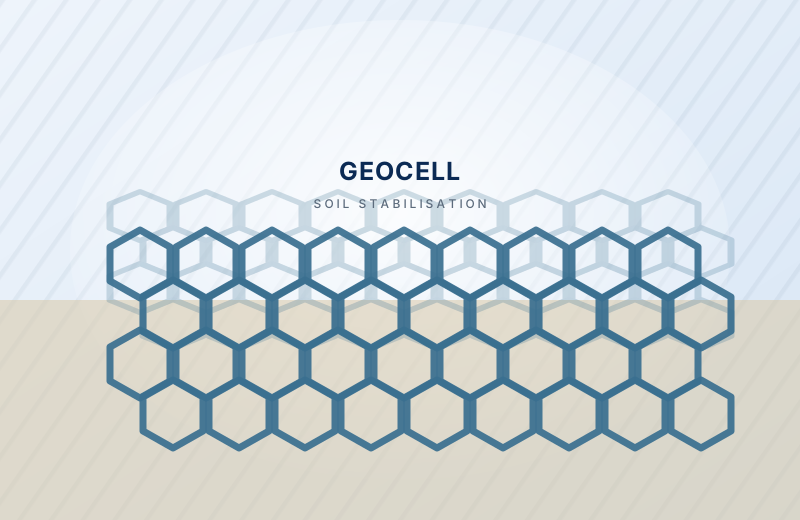
Expandable HDPE cellular confinement panels for slope protection, road base reinforcement and load support.
View Details →
Acrylic and polyurethane sports surfaces for tennis, basketball, badminton, futsal and multipurpose courts, including line marking.
View Details →Tell us the area, the structure and the problem. We will recommend the right system, quote it in writing and, if you want, apply it ourselves.